
KENYAN GROWERS · CULTIO NURSERIES
Mango growing guide in Kenya
Plan a mango orchard in Kenya, from choosing Apple, Kent or Van Dyke seedlings to managing the canopy and preparing fruit for sale.
Source-based growing information. Confirm variety, rootstock and a site-specific plan with your county extension officer before planting.
On this page
Overview
A productive mango orchard starts with a suitable site and a buyer in mind. Prepare a simple project sheet before purchasing: variety, planted area, water source, labour and intended market. In the North Rift, assess the actual farm rather than assuming that every location within one county has the same conditions. Visit a producing orchard nearby and ask which variety performs there.
Choose a variety
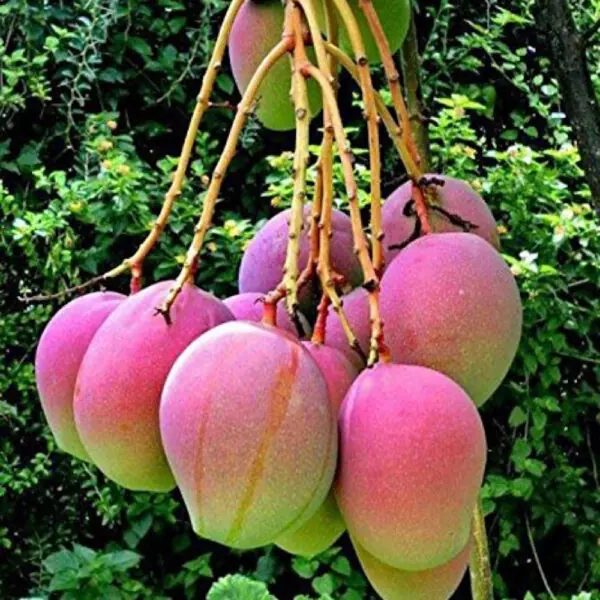
Cultio’s mango range includes Apple, Kent and Van Dyke. Ask to confirm variety identity and grafting status when selecting a batch. Discuss the fruit your intended buyer wants before choosing the mix. Keep the varieties marked on your field plan so harvest records and customer feedback can be compared later. Start with a manageable block when trying a variety on a new site.
Site selection
Check the field after rainfall, identify access routes and budget for establishment water. Keep a record of the soil assessment and any improvements agreed with your adviser. KEFRI’s Kitui experience shows why locally tested varieties matter; it should not be read as proof of performance in a cooler or wetter Eldoret site.
Planting
Choose spacing around mature canopy size and the pruning system. ICRAF gives 9 × 9 m for grafted mango in pure stands; KEFRI describes growers widening crowded plantings towards 10 × 10 m. These are planning references, not a universal layout. Mark boundaries and paths first, then peg planting positions. Check your final quantities with the planting planner before ordering.
Ongoing care
Manage the canopy early so light reaches the tree and harvesting remains practical. KEFRI highlights pruning, weed management and support for heavily loaded branches. Create a seasonal work list with whoever manages the orchard, including inspection dates, tools and labour. Review irrigation and nutrition with local advice and soil results rather than copying another farm’s input quantities.
Pests and diseases
KEFRI identifies pest and disease management as a constraint and recommends integrated management. Set aside time for regular inspection and record the affected block, date and photographs. Have persistent symptoms diagnosed before choosing a treatment. Follow current Kenyan product labels and buyer requirements for any crop-protection programme; keep its records with your harvest notes.
Harvest
Discuss grading, collection dates and payment terms before the crop is ready. KEFRI notes the pressure on prices when many growers harvest together. Compare buyers and account for rejected fruit, packaging and transport when reviewing a season. Keep kilograms harvested and kilograms sold as separate figures. Use those farm records, rather than promised returns, when deciding whether to expand.
Sources and further reading
International references inform planning; they do not establish suitability for a particular Kenyan farm.
Plan your next planting
Discuss your crop, farm conditions and quantity with Cultio in Eldoret. Seedlings are collected from the nursery.
Shop mango seedlingsCalculate seedling quantities